What Is ADAS Calibration?
ADAS stands for Advanced Driver Assistance Systems. On many late-model vehicles, a forward-facing camera mounted to the windshield, usually behind the rearview mirror, reads lane lines, vehicles, and obstacles. ADAS calibration is the process of aiming and setting that camera so what it sees matches where the car actually is on the road.
That camera supports features such as:
- Lane departure warning
- Lane keep assist
- Automatic emergency braking
- Adaptive cruise control
For a plain-English overview, read what ADAS calibration is and why it matters.
Why the Camera Needs Recalibration After a New Windshield
When a windshield is replaced, the camera is removed and remounted on new glass. Even a tiny change in angle can shift where the camera is looking by several feet far down the road. That is why vehicle manufacturers require recalibration after a windshield replacement on camera-equipped vehicles.
A camera that is slightly off may warn you too late, brake when it shouldn't, or steer you toward the edge of the lane instead of the center.
Signs your system may need attention
- A warning light or a "camera unavailable" message on the dash.
- Lane keep assist that pulls toward one side.
- Alerts that trigger for no reason, or don't trigger when they should.
- Adaptive cruise that reacts late or inconsistently.
Keep in mind that no warning light does not mean the camera is calibrated. The system can be off without telling you.
Static vs. Dynamic ADAS Calibration
Each manufacturer sets its own procedure. Your vehicle may require one method or both.
- Static calibration is done with the vehicle parked on a level surface. Targets are placed at precise, measured distances in front of the car, and a scan tool guides the camera through its setup.
- Dynamic calibration is done by driving the vehicle on well-marked roads at specified speeds while the system learns and confirms its aim.
Some vehicles need static, some need dynamic, and some need both in sequence. We follow the procedure your vehicle's manufacturer calls for.
Why the procedure matters
Static calibration depends on careful setup: correct tire pressure, a level surface, an empty cargo area, and targets placed at exact distances. Dynamic calibration depends on road conditions, including clear lane markings, steady speeds, and good visibility. Skipping steps or rushing either method can leave the camera aimed slightly wrong, even if the dash shows no error.
How We Handle ADAS Calibration With Your Windshield Replacement
- Identify your features at quote time. We check by VIN which driver assistance systems your vehicle has.
- Order the correct glass. Camera-equipped windshields have specific brackets and clear zones, so the right part matters.
- Install with care. The camera bracket and mount are handled carefully during removal and installation.
- Calibrate to manufacturer requirements. We make sure the required static and/or dynamic calibration is completed.
- Confirm and explain. We verify the system is working and let you know what was done.
Because calibration is planned from the start, there are no surprises. You'll know before the job begins whether your vehicle needs it, which method applies, and how it fits into your appointment.
Other times calibration may be needed
Windshield replacement is the most common reason, but manufacturers may also call for calibration after a wheel alignment, suspension work, a collision, or if a camera was removed for another repair. If you're unsure, ask us and we'll help you figure it out.
ADAS Calibration Cost and Insurance
Calibration is part of a correct windshield replacement on camera-equipped vehicles, not an upsell. The cost depends on your vehicle and the procedure required. When the windshield is covered under comprehensive coverage, required calibration is often handled as part of the same glass claim, though coverage varies by policy. We help you sort it out. Visit our insurance claims page or request a quote.
Which Vehicles Need ADAS Calibration?
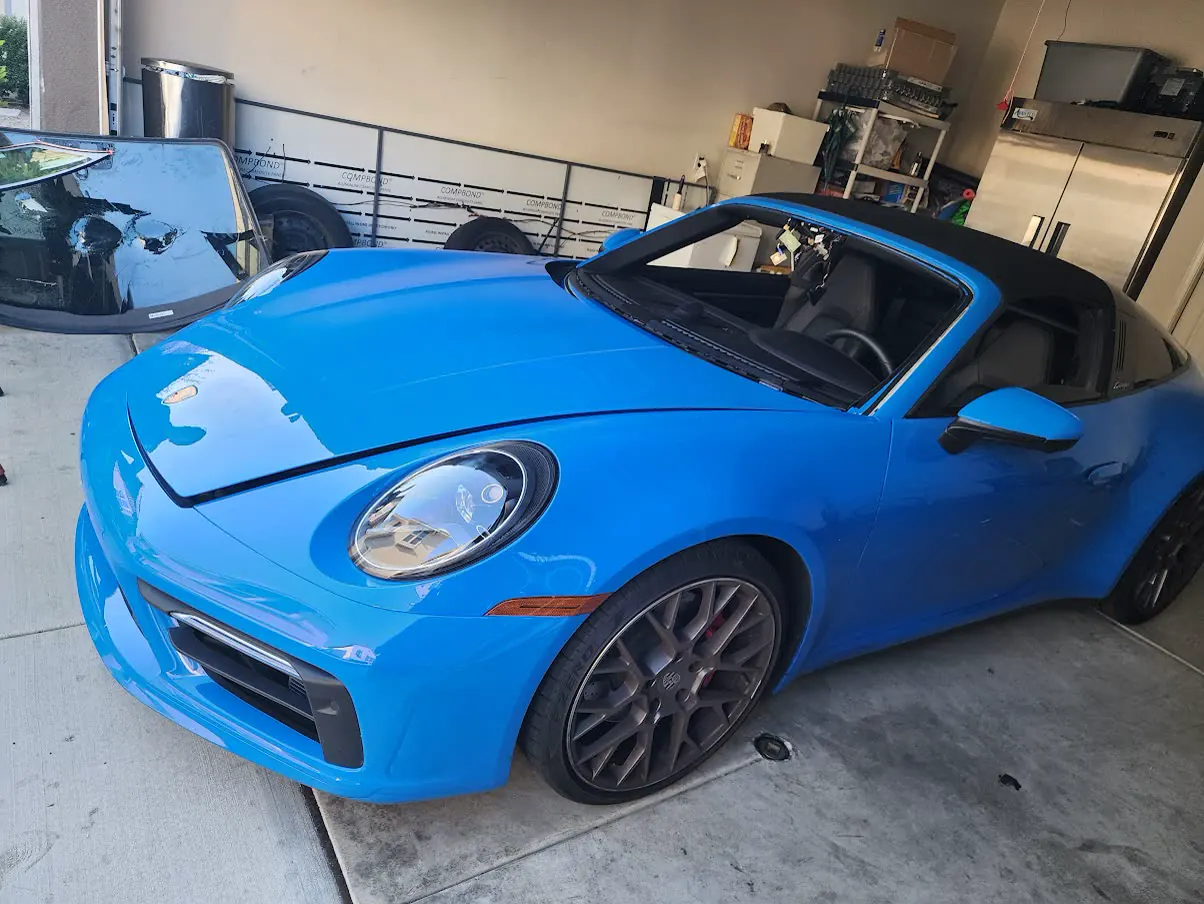
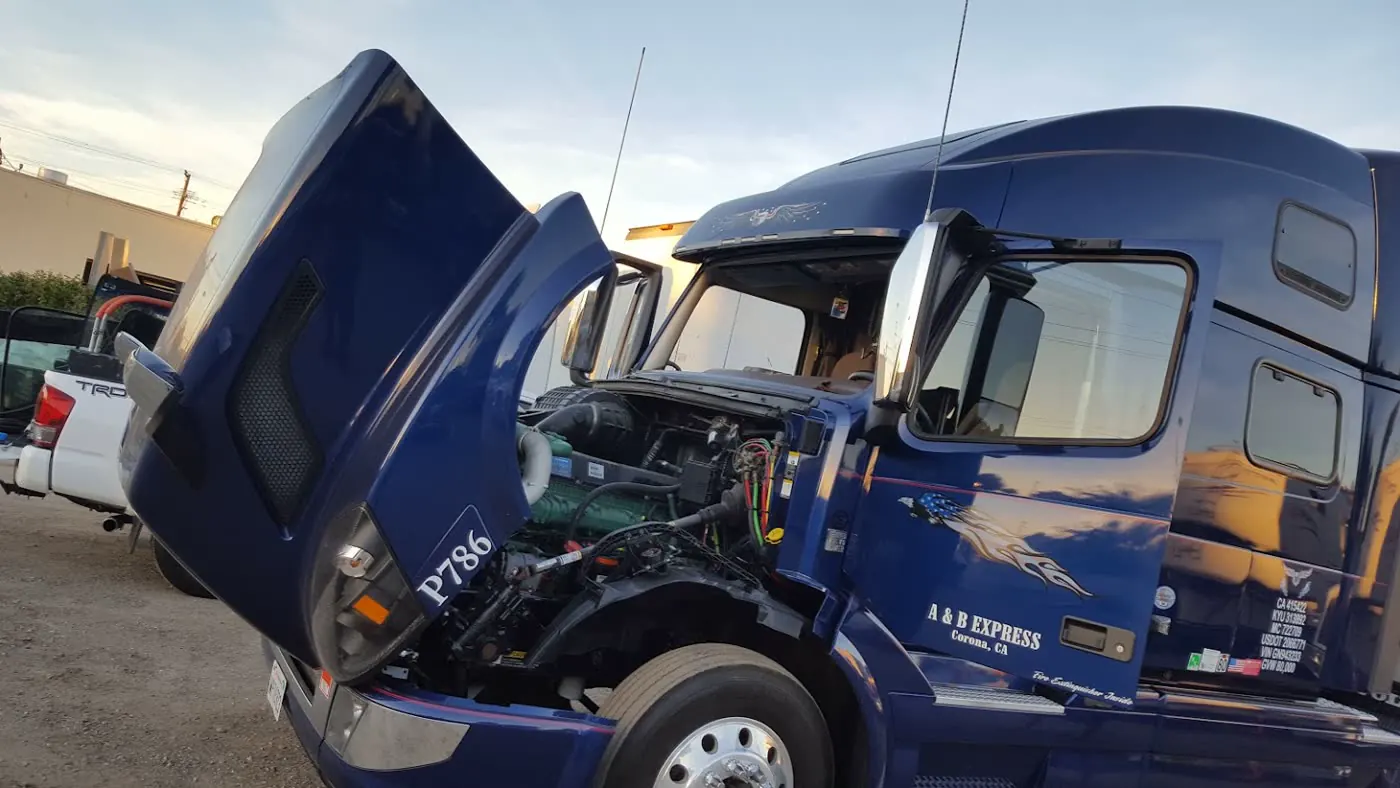
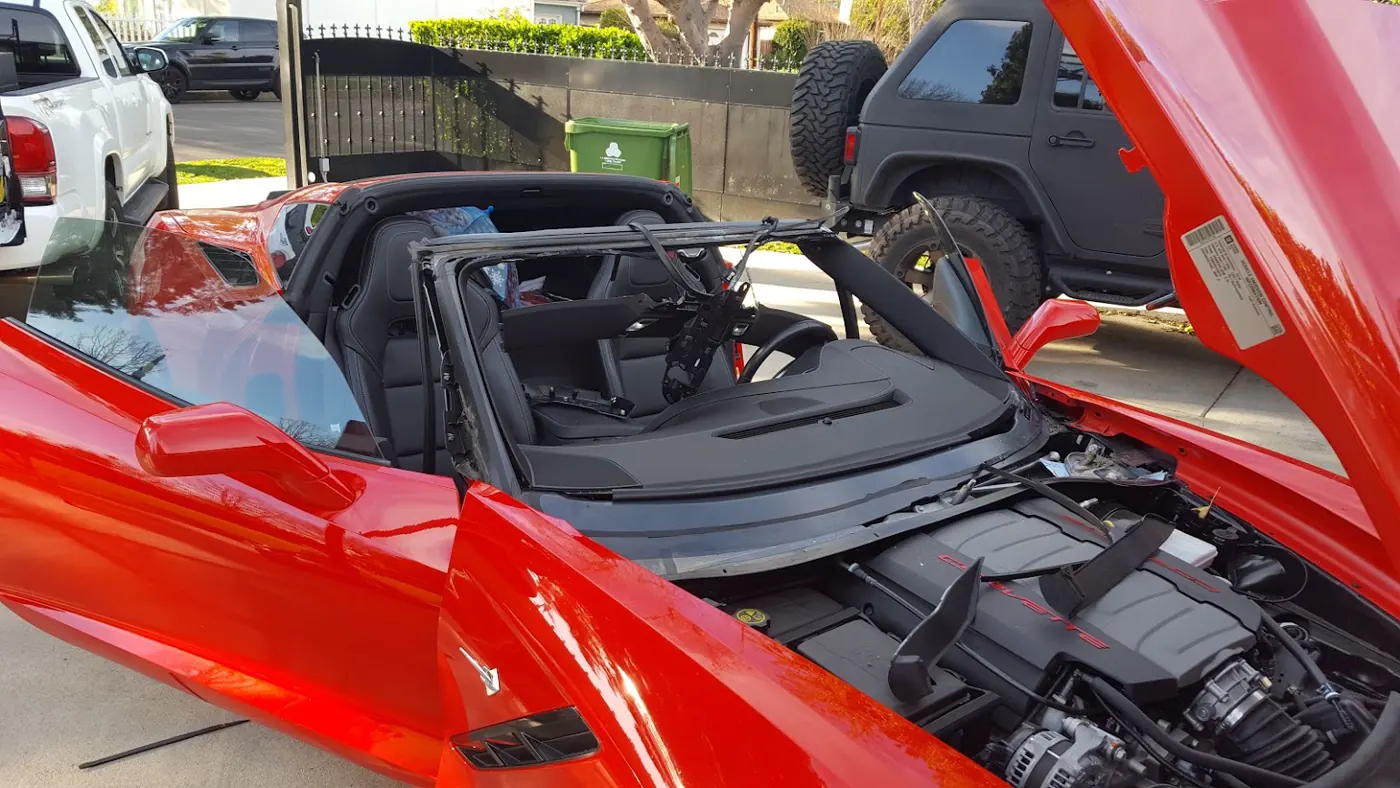
A quick check: look at the top center of your windshield from outside. If you see a camera housing or a black-dotted area around a sensor behind the mirror, your vehicle very likely has a forward camera. This is common on newer cars, trucks, SUVs, and vans, and on luxury and performance models. We've handled windshield and camera work on everything from family minivans to Corvettes and Porsches.
Not sure what your car has? Send us your VIN when you call or text (714) 718-4692 and we'll check which driver assistance features are installed before quoting. We serve Colton and the Inland Empire, plus Orange County and LA County, Monday through Saturday, 7:00 am to 6:00 pm, in English or Spanish.